X-ray of a ghost market – why speedbikes aren’t taking off?
A legal vehicle but virtually impossible to use legally, the speedbike is caught between a…

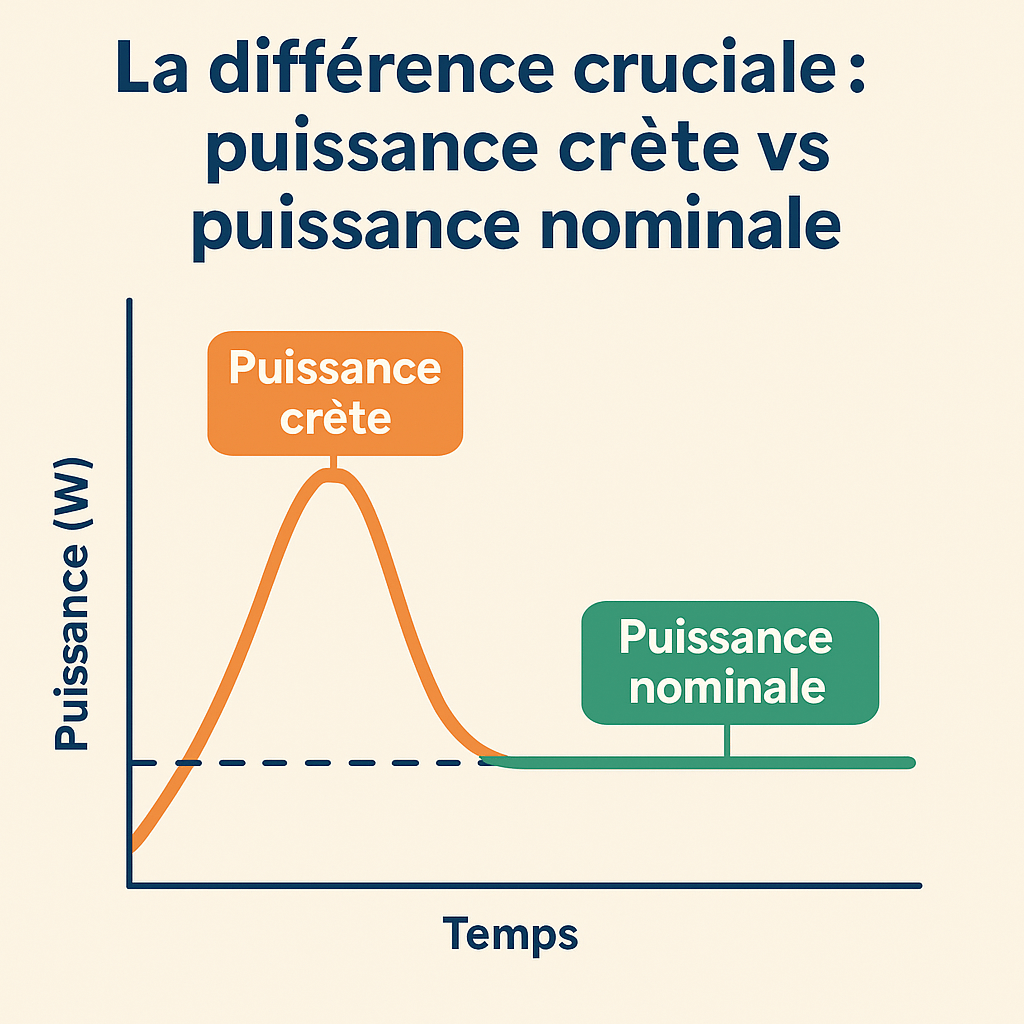
Syklo recently received a letter from the DGCCRF following a report on SignalConso. A person had reported that the PowerTrail Z8 kitkit, advertised with “over 1000W of power”, was illegal. This situation, far from being problematic, is a perfect illustration of how an effective regulation system works. The Direction Générale de la Concurrence, de la Consommation et de la Répression des Fraudes (DGCCRF) contacted Syklo to ask for clarification. Rather than take immediate repressive action, the DGCCRF gave Syklo the opportunity to explain the product’s conformity point by point. Syklo’s response focused on the technical distinction between peak power and nominal power, a fundamental concept that is little understood by the general public. According to EN 15194, an electrically-assisted bicycle must comply with a maximum power rating of 250W. However, as technical experts explain, a 250W nominal motor can temporarily absorb up to 2.5 or even 3 times its rated power. The PowerTrail Z8 effectively delivers over 1000W peak power for 2 minutes, then stabilizes at 860W continuous power, while still complying with the standard 250W rating. This temporary power boost makes it possible to climb the toughest climbs without exceeding the 25 km/h speed limit. After examining the technical documentation, the DGCCRF closed the case with no further action. The signaller understood that Syklo was in order. A report that illustrates how the system works
The crucial difference: peak power vs. rated power
This experience demonstrates the effectiveness of the SignalConso system. Created to enable consumers to report dubious practices, this platform handles reports transparently and fairly.
In 2022 and 2023, the DGCCRF checked over 300 influencers on social networks, revealing that 60% of them were in breach of advertising regulations. In the cycle sector, a 2020 survey established a 41% breach rate, mainly linked to a lack of information on conditions of use.
This level of control proves that no one can “talk nonsense” in advertising. French companies are systematically checked and asked to justify their claims.
The effectiveness of these controls raises a crucial issue: unfair competition from illegal imports. Unbridled fat bikes and electric bikes exceeding 250W are proliferating on social networks with aggressive advertising.
These vehicles, often equipped with “gas pedal triggers” and boasting insane power ratings, openly violate French regulations. Modifying a VAE to exceed 25 km/h now carries a fine of 30,000 euros and a year’s imprisonment. Any bike with a motor exceeding 250 watts automatically becomes a moped, with compulsory registration, insurance and approved helmet.
Enforcement agencies are stepping up their operations on cycle paths to intercept these non-compliant bikes. Sellers of unbridling kits are also being targeted, as marketing these devices is now a criminal offence.
The most worrying question is the DGCCRF’s real capacity to deal with non-resident advertisers. How effective is SignalConso in forcing the removal of Facebook or Instagram ads when the advertiser is not established in France?
In theory, the DGCCRF has the power to request various measures from platforms: posting warnings, dereferencing accounts, limiting access. But this capacity seems limited in the face of the digital giants.
Although platforms offer a function for reporting illegal content, their responsiveness varies according to the advertiser’s geographical origin. A French influencer will quickly be forced to comply, while an Asian seller can continue his illegal practices with impunity.
This asymmetric treatment creates a major competitive imbalance. French companies like Syklo invest heavily to comply with standards:
Conversely, importers of low-cost kits largely escape these constraints. They flood social networks with advertisements for products that are clearly illegal: 750W, 1500W or even more motors, gas pedal triggers, speeds well in excess of the 25 km/h limit.
This unfair competition penalizes those who comply with the regulations, and misleads consumers as to their rights and obligations. A user who buys an unapproved 750W kit unknowingly finds himself in breach of the law, exposed to fines and deprived of any insurance cover.
The solution probably lies in European harmonization and increased accountability of platforms. The Digital Services Act (DSA) offers new tools to force Facebook, Instagram and others to remove illegal content more quickly.
SignalConso alerts could also be automatically forwarded to the DGCCRF’s European counterparts to coordinate action against sellers based in other member countries.
In the meantime, citizen vigilance remains crucial. Every consumer can report suspicious advertising on SignalConso. The greater the number of reports, the greater the pressure on platforms to remove such content.
Syklo’s experience with the DGCCRF perfectly illustrates the delicate balance of modern regulation. The system effectively protects consumers against deceptive practices, while enabling innovative companies to communicate their true technical performance.
This episode also confirms that transparency and technical compliance remain the best assets in the face of regulatory controls. Clearly explaining the difference between rated power and peak power helps to dispel misunderstandings and validate the legality of products.
What remains is to resolve the blind spot of international advertisers to ensure fair competition. Without this change, standards-compliant French companies will continue to be at a competitive disadvantage to unscrupulous importers.
SignalConso’s effectiveness in protecting consumers is beyond doubt. Its extension to international advertising practices is the major challenge for the years to come.
Sources: DGCCRF, SignalConso platform, EN 15194 standard, French Highway Code